
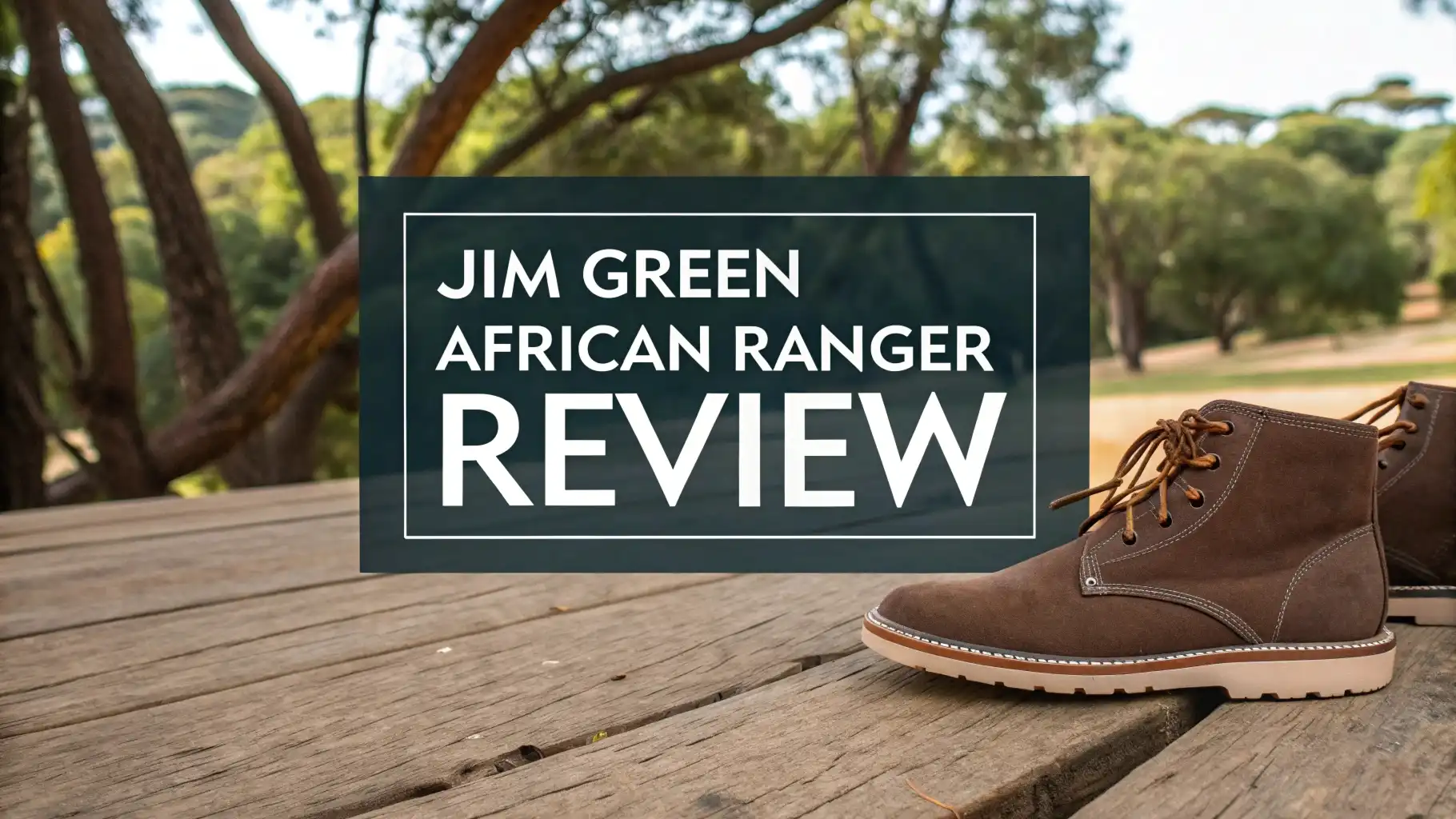
Jim Green African Ranger Review 2026: All in One Guide
Some boots make big promises in ads. The Jim Green African Ranger makes promises in the field. Professional hunters in Mozambique wear it. Game rangers in Zimbabwe tested it for a full year. Real users have logged hundreds of miles in it and posted their findings for anyone to read.
This review pulls all of that together for 2026. I looked at the official specs, long term owner reports, and expert field tests. I also checked what buyers praise and what they complain about. By the end, you will know if this $190 leather boot deserves a spot in your closet.
In a Nutshell
Here is the whole review in one place. These points cover what matters most before you spend your money.
- The build is genuinely heavy duty. You get 2.2mm full grain leather, a steel shank, and double stitched 2.2mm braided nylon cord. Heel and toe stiffeners add more structure. This construction explains why the boot lasts years.
- Comfort comes fast. Most owners report little to no break in pain. The roomy toe box and snug heel hold the foot without rubbing. Many people wore them all day from the first week.
- It is a quiet stalking boot. The wedge style rubber sole steps softly over dry leaves and brush. Hunters call it the quietest boot they have tested.
- It is water resistant, not waterproof. There is no membrane inside. Regular waxing keeps water out during light rain and wet grass.
- Sizing runs true for most people. Order your Brannock size first. Some owners suggest a half size up for thick wool socks.
- The price delivers strong value. At about $190 on Amazon, it undercuts many rivals. The brand also donates one pair to an African game ranger for every ten pairs sold.
These six points sum up the boot well. The sections below unpack each one in plain detail.
What Is the Jim Green African Ranger Boot?
Jim Green Footwear is a family boot company from Pietermaritzburg in South Africa. The Crouch family started it in 1992 and named it after the frogs in the rivers of KwaZulu Natal. The company first built sturdy boots for farmers. Later, miners across southern Africa made the Razorback model famous.
The African Ranger arrived in the 2010s with a clear mission. Gareth Crouch, a third generation boot maker and former game ranger, surveyed rangers across Africa. He asked what the ultimate all round ranger boot needed. The answers shaped this design. The company calls it a boot designed by rangers for rangers.
That claim holds up in the field. Sixty pairs went to rangers in Gonarezhou National Park in Zimbabwe for a year long trial. The rangers loved them so much they bought 150 pairs with their own money. Gareth matched that order with 150 free pairs. Today the brand donates one free pair for every ten sold. More than 2,000 African game rangers have received boots so far.
This is a 6 inch ankle boot for hiking, hunting, safari, and daily work. It competes with boots that cost $250 or more.
Jim Green African Ranger

- FIT & SIZING; The African Ranger comes with our STC Last, providing a 2E wide fit that offers a roomy and rounded...
- COMFORT; Jim Green’s African Ranger boots for men are engineered with comfort and durability in mind; Our leather...
- BALANCED DESIGN; A balanced construction allows you to confidently wear these boots for any job that needs done: no...
Last update on 2026-10-20 / Affiliate links / Images from Amazon Product Advertising API
The standard African Ranger sits at the core of the Jim Green lineup. It uses 2.2mm full grain leather over the whole upper. A steel shank sits between the insole board and the sole for support. The insole stitches to the upper with double stitched 2.2mm braided nylon cord.
The toe, heel, and eyelet areas carry a double layer of that same leather. Heavy duty hooks and eyelets stand up to years of hard lace ups. The wedge style rubber sole grips well and stays quiet on dry ground. Each boot in a size 8 weighs about 1.24 kg for the pair split across both feet.
Colors include black, brown, and fudge. Amazon also lists the Barefoot African Ranger version at around $215. That version drops the steel shank and thick insole for a flat, ground feel. A Cape buffalo skin version and an 8 inch AR8 model round out the range. The AR8 costs about $209 and adds extra ankle support.
For most buyers, the standard version at $194.99 on Amazon is the smart pick. It carries a 4.5 star rating from more than 750 reviews at the time of writing.
Build Quality and Materials
Let us talk about what holds this boot together. The leather is 2.2mm full grain hide. Full grain is the top layer of the hide. It is the strongest and most breathable cut. Cheaper boots use corrected or split leather, which ages poorly.
The stitching impressed one long term owner in particular. He wore his pair through fence installs, trench digging, flood repairs, and months of landscaping. After six months, he found no loose threads. The upper stitching stayed perfect. The double row stitchdown held firm. His only gripes were small spots of excess glue inside the boot near the eyelets.
The hardware matters too. The hooks and eyelets are heavy duty metal. They resist bending when you yank the laces tight. Heel and toe stiffeners keep the boot shape over time. A steel shank adds arch support on rocky ground.
The Anvil rubber sole glues onto a leather slipsole. One owner resoled his pair himself and said the glue bond peeled away cleanly. That is a good sign for future resole jobs. The overall picture is simple. This boot uses real materials and honest construction at a fair price.
Top 3 Alternative for Jim Green African Ranger
The African Ranger wins on value, but it is not the only good boot in this space. Maybe you want a waterproof membrane. Maybe you want a classic moc toe for work. Here are three strong picks, all verified on Amazon.
First, the Danner Mountain 600. This is the best pick for wet weather hiking. It packs a GORE-TEX style dry lining, a Vibram outsole, and a suede upper. It costs about $200 and holds a 4.6 star rating from roughly 2,900 reviews.

- WATERPROOF hiking boots featuring 100% waterproof Danner Dry barrier, allowing moisture to escape without letting...
- DURABLE men’s hiking boots with smooth suede uppers built to last on the trail, and coming with two lace options...
- ORTHOLITE triple-density polyurethane hiking boot footbed for maximum comfort and support. Open-cell construction...
Last update on 2026-10-20 / Affiliate links / Images from Amazon Product Advertising API
Second, the Thorogood American Heritage 6 inch Moc Toe. This is the work boot pick. It uses a wedge sole and full grain leather with a famous comfort level out of the box. It costs about $265 and carries a 4.4 star rating from 8,500 reviews.

- AMERICAN MADE with USA and globally sourced components by the skilled craftsmen and women at Thorogood’s US...
- DURABLE OIL-TANNED FULL-GRAIN LEATHER boots in Thorogood’s moc toe, non-safety toe design are comfortable and...
- MAXWEAR WEDGE TRACTION OUTSOLE flexes better than other work boot outsoles, absorbing impacts and protecting your...
Last update on 2026-10-20 / Affiliate links / Images from Amazon Product Advertising API
Third, the Irish Setter Wingshooter 7 inch. This is the hunting pick. It brings a higher 7 inch shaft, UltrDry waterproofing, and a classic American hunting boot look. It costs about $210 with a 4.6 star rating from 3,300 reviews.

- All Day Performance: The removable polyurethane footbed and moisture wicking nylon lining gives your feet...
- Tough Terrain Traction: Keep stability and traction through uneven terrain with the durable debris-shedding Prairie...
- Waterproof Design: Full grain leather is protected with UltraDry waterproof construction that combines moisture...
Last update on 2026-10-20 / Affiliate links / Images from Amazon Product Advertising API
Pick the Danner for rain, the Thorogood for job sites, and the Irish Setter for tall ankle support in the field. Each one costs more than the African Ranger or matches it. None matches its conservation mission.
Comfort and Break In
Most boot reviews dwell on break in pain. This review barely needs to. The African Ranger breaks in fast because the leather stays flexible from day one. One owner who wore the boots daily for six months said the process was not bad at all. He recalls no pinch points and no blisters. He walked his dogs in them on day one with light socks.
The Jim Green last shapes like a human foot. The toe box is roomy. The heel pocket is snug. That combo stops the heel from lifting and rubbing. The boot hugs the foot without pressing on any one spot.
There are two honest notes about comfort. First, the top of the shaft feels stiff at the ankle during the first few wears. That soreness fades quickly. Second, the thin sole offers little squish. If you stand on hard floors all day, add a cushioned aftermarket insole. Owners report that Superfeet insoles fill the boot nicely without pressure points.
After several mile hikes, one field tester reported no soreness at all. He called the fit secure and the support ample. For a boot this light, that is a strong result.
Fit and Sizing Guide
Sizing questions fill every forum thread about this boot. Here is what the data says. The standard African Ranger fits true to Brannock size for most buyers. Measure your foot and order that size. If you plan to wear thick wool socks, some owners go a half size up.
A few owners report the boot runs a quarter to half size big. This varies by foot shape. The safest path is to order your normal size first. Amazon returns make an exchange easy if needed.
Width is a bright spot. The JG last suits medium and wide feet well. The roomy toe box lets toes spread. One owner with a 12EE Brannock width wore a size 12.5 and called the fit satisfying.
The Barefoot African Ranger version also fits true to size. Buyers of that model confirm they ordered their usual size and got a perfect fit. Jim Green lists sizes from small unisex cuts upward on its site. Women without a dedicated model should still follow the size guide on the official page.
One tip repeated across reviews. Try the boots at home on clean floors for a day or two. Walk, flex, and check heel lift. Return them fast if anything feels off. This habit saves hassle with any online boot purchase.
Traction and the Wedge Sole
The stock Anvil sole is a wedge style rubber outsole. Wedge soles trade deep lugs for a flat, soft contact patch. This design does two things very well. It steps quietly. It grips hard ground evenly.
The quiet part matters most for hunters. A field tester for a major outdoor magazine called it the quietest stalking boot he had ever tested. He walked over dry leaves and brush without a sound. Deer and buffalo never heard him coming. Traditional lugged boots crunch. This one whispers.
The grip impressed owners on trails and rough rock. One reviewer said the Anvil sole felt sure footed and did not pick up much mud. That last part matters. Mud shedding keeps the tread clear and the boot light.
The weak spots show on smooth wet surfaces. A wedge sole with shallow tread can slide on wet tile or slick painted concrete. Owners also note the soft compound wears at about 600 miles with hard daily use. That is normal for soft wedge rubber. A resole extends the life, and the stitched construction accepts new soles well.
If you need deep lug traction for steep mud, look at the alternatives section above. For dry bush, trails, and town, this sole is excellent.
Waterproofing and Wet Weather Performance
Here is the most misunderstood part of this boot. The African Ranger is water resistant. It is not waterproof. There is no GORE-TEX membrane or dry lining inside. Water can enter through the stitching and the unlined areas in steady rain or deep puddles.
That said, owners report the leather midsole version becomes very water resistant with care. The trick is wax. One owner tried waterproofing sprays first. They wore off too fast. He switched to a wax treatment after the first month. After that, water beaded up and rolled off the leather. He walked through wet grass and flash flood cleanup with dry feet.
The care routine matters more than the membrane. Brush off dirt after each wear. Condition the leather every couple of months. Apply a leather wax before wet season. This three step habit keeps the hide sealed and supple.
Who should worry? If you hike in constant rain or cross streams daily, buy a membrane boot instead. The Danner Mountain 600 in the alternatives section handles that job better. If you face light rain, morning dew, and wet grass, the African Ranger with wax handles it fine.
Honest expectations prevent bad reviews. This boot treats water like a challenge, not a wall.
Durability: What Owners Report After Months of Wear
Durability claims are easy to make. Wear data is harder to fake. The best long term report on this boot comes from a facility manager who wore his pair almost every day for six months. His job list reads like a survival test. Chainlink fence installs, trenching, concrete repairs, roofing, welding, and trail hikes in seven states.
His verdict after six months was glowing. The construction stayed solid. The stitching stayed perfect. The boots handled dry heat, cold snaps, wet grass, and everything between. The leather aged with rich color changes and patina. He called the boots a reliable workhorse and planned to buy another pair.
The weak point was the sole. The soft Anvil rubber lasted about 600 miles before a resole. He noted his own uneven gait from an old injury sped up the wear. A harder replacement compound held up better afterward.
One leather note deserves mention. After six months of heavy water exposure and wax, the grain started to feel slightly soft. The owner blamed his own care routine or the wet conditions. Even then, he expected more life from the boots.
The Gonarezhou rangers provide the ultimate durability data. They wore their pairs for a full year of hard patrol work. They then spent their own money to buy more. That is the strongest endorsement any boot can earn.
Who Should Buy This Boot
This boot fits certain buyers extremely well. Let me paint the picture clearly. You should buy the African Ranger if you want one leather boot for trails, hunts, farm work, and town. It handles all four without complaint. It looks good with jeans, which many tactical boots do not.
Buy it if you value quiet movement. Stalk hunters and wildlife photographers get real benefit from the wedge sole. Buy it if your feet run wide. The roomy last suits them without special orders. Buy it if you want your money to matter. Every ten pairs sold funds a free pair for an African game ranger protecting wild places.
Skip it if you need certified safety toes. There is no steel or composite toe in this model. Skip it if you work on ladders all day. The shankless feel under the arch fights ladder rungs. Skip it if you refuse to care for leather. This boot needs wax and conditioning. Neglect will crack the hide within a couple of years.
Skip it if you hike in deep water or constant rain. A membrane boot serves you better there.
Everyone else in the market for a rugged leather ankle boot should look hard at this one. It does the job of boots that cost twice as much.
Care and Maintenance Tips
A boot this good deserves a simple care plan. The good news is that the routine takes minutes. Start with the basics after every wear. Brush off dust, mud, and grime with a soft brush. Let the boots dry at room temperature. Never place them next to a heater or fire. Fast heat cracks leather.
Condition the leather every two to three months. Owners in the reviews used quality conditioners with good results. The fudge crazy horse leather darkens as it ages. That color change is normal and adds character.
Apply a wax treatment before wet conditions or once a season. Owners report that wax beats spray protectants by a wide margin on this leather. The spray wears off in weeks. The wax lasts months and beads water on contact.
Check the laces and eyelets once a month. The hardware is heavy duty, but the 2.2mm braided nylon cord laces can fray at the hooks over time. Replacement laces cost little. Keep a spare set in your kit.
Plan for a resole around 500 to 700 miles depending on your gait. The glued slipsole design accepts resole work well. One owner peeled and replaced his own sole. A cobbler can do it faster and cleaner. With resoles, this boot can serve for many years.
Price and Value in 2026
The standard African Ranger lists at about $195 on Amazon in 2026. The Barefoot version runs about $215. The 8 inch AR8 sits near $209. The official site lists a Cape buffalo skin version at a premium. Compare that range to the market. Danner charges $200 to $280 for its hiking boots. Thorogood asks $265 for its flagship moc toe. Red Wing models climb past $300.
Against those prices, the African Ranger looks like a bargain. It delivers full grain leather, a steel shank, and stitched construction for under $200. Few brands match that spec sheet at that price. One long term owner summed it up well. For the money, it is a fantastic value, and he would recommend it without hesitation.
The rating history backs this up. The standard model holds a 4.5 star average across more than 750 Amazon reviews. The barefoot version holds 4.6 stars across 328 reviews. Scores like that across hundreds of buyers rarely lie.
Value also includes the mission. Jim Green donates one pair per ten sold and has supplied more than 2,000 rangers. Your purchase supports boots on the ground in African conservation areas. That does not make the boot better on your feet. But it makes the purchase easier to feel good about.
Pros and Cons
Every boot has strengths and weaknesses. Here they are in plain lists based on specs, expert tests, and owner reports.
Pros:
- Genuine heavy duty build. 2.2mm full grain leather, steel shank, and double stitched nylon cord last for years.
- Fast and easy break in. Most owners report no blisters and no pinch points.
- Very quiet on dry ground. The wedge sole stalks silently over leaves and brush.
- Strong value under $200. It matches boots that cost $100 more.
- Roomy toe box with a snug heel. The fit suits wide and medium feet.
- Proven in the field. African rangers tested it for a year and bought more with their own money.
- Excellent ratings. 4.5 stars from 750 plus buyers on Amazon.
Cons:
- Not waterproof. There is no membrane, so steady rain and deep water get through.
- Thin sole with little cushion. Hard floors and ladders punish the feet all day.
- Sole wears at about 600 miles. The soft rubber needs a resole with heavy use.
- Sizing varies slightly by pair. A few owners report a half size big fit.
- Limited safety features. No safety toe option exists for job sites that require one.
Final Verdict: Should You Buy It in 2026?
The Jim Green African Ranger earns its reputation the honest way. Real rangers wore it. Real workers beat it up. Real hunters stalked game in it. All three groups keep coming back for more. That pattern speaks louder than any marketing copy.
The spec sheet delivers where it counts. Full grain leather, steel shank, double stitched cord, and a quiet wedge sole. The price sits well below the true competition. The comfort arrives fast and holds up over long days. The mission adds meaning to the money.
The flaws are real but manageable. It is not waterproof. The sole is thin and needs care. Sizing takes a small test. None of these issues kill the value. They just set honest expectations.
My verdict for 2026 is a clear buy. Give it to the hiker who wants one boot for everything. Give it to the hunter who stalks on foot. Give it to the worker who wants leather that ages with pride. At about $195 on Amazon, it stands as one of the best value leather boots on the market today.
Frequently Asked Questions
Is the Jim Green African Ranger waterproof?
No. The boot is water resistant, not waterproof. There is no membrane inside. Regular waxing makes the leather shed light rain and wet grass well. For constant rain, choose a membrane boot instead.
Does the Jim Green African Ranger run true to size?
Most owners say yes. Order your measured Brannock size first. Go a half size up only for thick wool socks. A few owners report a slightly big fit, so try them at home early.
How long does the sole last on the African Ranger?
Hard daily users report about 600 miles from the stock Anvil sole. Lighter users get more. The construction accepts a resole well, which extends total boot life to many years.
What is the difference between the African Ranger and the Barefoot African Ranger?
The standard version has a steel shank, thicker insole board, and more structure. The Barefoot version drops those layers for a flat, ground feel and no arch support. The Barefoot model costs about $20 more.
Where are Jim Green boots made?
Jim Green Footwear makes its boots in South Africa. The Crouch family has run the company from Pietermaritzburg since 1992. The African Ranger design came from a former game ranger who surveyed working rangers across Africa.

Dan is a passionate fashion enthusiast and experienced product reviewer who combines years of industry knowledge with a keen eye for quality and style. Through Fashion Reviewer Blog, he provides honest, detailed reviews and practical guides to help readers make informed fashion decisions and discover their personal style.


