
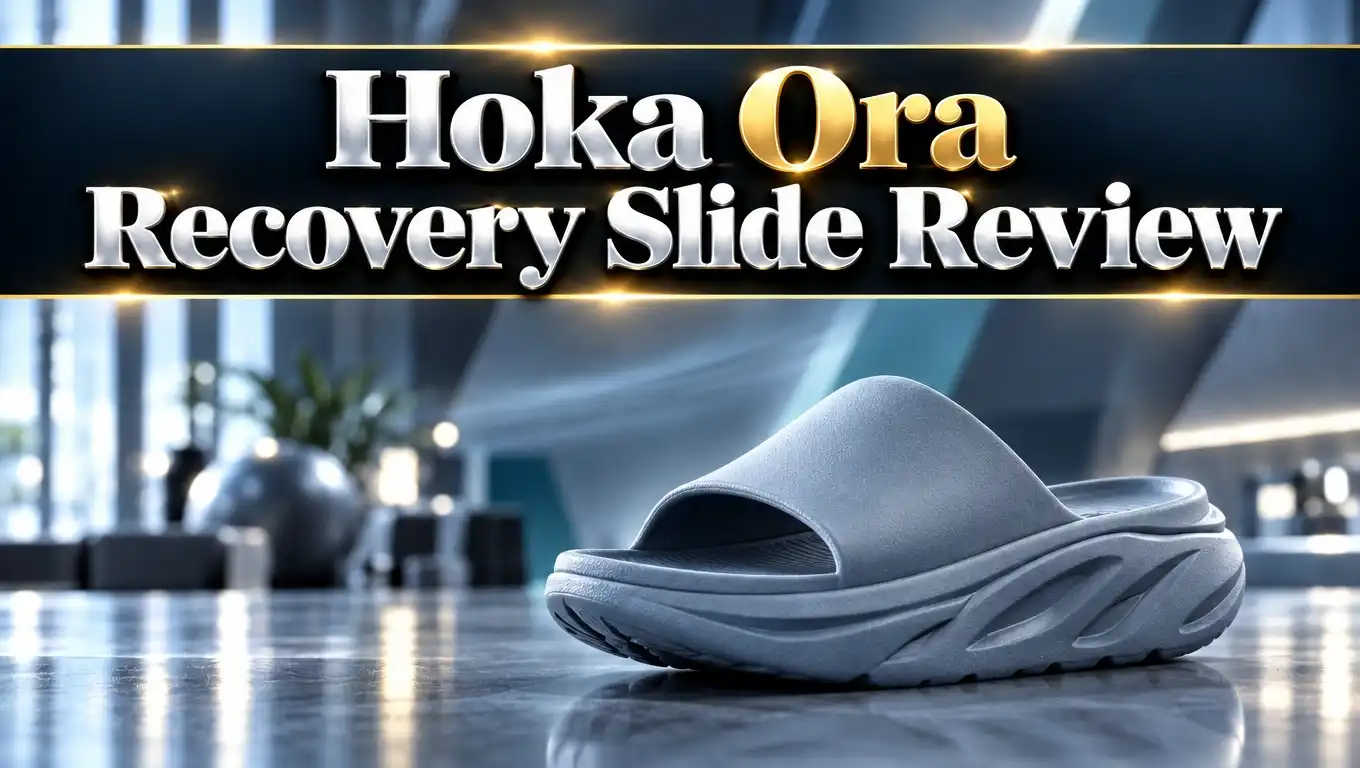
Hoka Ora Recovery Slide Review 2026: Complete Guide
Your feet work hard every day. After a long run, a double shift, or a day of errands, they want a soft place to land.
The Hoka Ora Recovery Slide promises exactly that. It has a chunky foam base, a curved shape, and a cult following among runners.
But does it live up to the hype in 2026? I break down the comfort, fit, traction, and price in this review. You will also see three strong alternatives before you buy.
In a Nutshell
- The Ora Recovery Slide 3 is the current version. It keeps the thick, dual density foam of the original. It adds four airflow channels in the upper for better breathability.
- Comfort is the main strength. The foam feels soft but still gives firm support. Your foot sinks in and then bounces back with each step.
- The fit runs true to size, but there are no half sizes. If you sit between sizes, size up. A few people feel strap rubbing or notice the heel lip at first.
- The slide is built for recovery, not long walks. It works well at home, around camp, and on short errands. It is not a hiking sandal.
- It weighs about 7.8 oz per slide and costs around $60. The sugarcane based foam makes it a little greener than older models. It also carries the APMA Seal of Acceptance.
- The best alternatives are the OOFOS OOahh, the Crocs Mellow, and the Vionic Rejuvenate. Each one suits a different foot type and budget.
Hoka Ora Recovery Slide Overview
No products found.
The Hoka Ora Recovery Slide 3 is a thick, cushioned slide made for tired feet. Hoka built it for the hours after you train or work. It is not a trail shoe or a sport sandal.
The slide comes from the same brand that makes the popular Clifton and Bondi running shoes. That experience shows in the foam. The base feels plush, yet it keeps its shape.
Version 3 is the newest update. Hoka kept the dual density design of the original Ora. It then added four airflow channels to the strap area. This helps your foot stay cooler in warm weather.
Hoka also made the midsole from sugarcane based EVA. That is a small green step. The slide also earned the APMA Seal of Acceptance, which means podiatrists reviewed it for foot health.
The slide is unisex, and it comes in many colors. Most people pay around $60. Some sales bring the price lower.
In this review, I cover how it feels, how it fits, and who should skip it. Let’s start with the specs.
Hoka Ora Recovery Slide Key Specs and Features
The numbers tell a clear story. This slide is thick, light for its size, and shaped to roll your foot forward.
The heel to toe drop is 6 mm. The heel stack is about 33 mm, and the forefoot stack is about 27 mm. That is a lot of foam under your foot.
One slide weighs about 7.8 oz in a men’s size. A pair weighs near 15.6 oz. That feels light in your hand but solid on your foot.
Hoka uses an early stage Meta Rocker shape. The sole curves up at the toe. This helps your foot roll forward with less effort.
The footbed uses a dual density design. A softer layer sits on top for comfort. A firmer layer sits below for support. The outsole is injection molded EVA with a grippy pattern.
The slide also has a J Frame design. This frame helps keep your foot stable on the foam. You get cushion without a wobbly feel.
The upper is a single cross foot strap. It has four vents for airflow. You can wear it with or without socks.
Here is a quick list of the main features:
- Dual density EVA foam
- Four airflow channels
- Sugarcane based midsole
- Early stage Meta Rocker
- Injection molded EVA outsole
- APMA Seal of Acceptance
Design and Look of the Hoka Ora Slide
The Ora looks bold. It sits high off the ground and has a wide, rounded base. Some people love this look. Others find it clunky.
I think the shape makes sense once you wear it. The thick base is the whole point. Without it, you lose the cushion.
The strap is simple and wide. It holds your foot in place without extra buckles. This makes the slide easy to slip on and off.
Hoka offers many colors. You can pick calm shades like black, white, or sand. You can also pick brighter tones if you want some fun.
The vents in version 3 add a subtle detail. They break up the strap and make it look a little lighter. They also help the slide dry faster after a rinse.
The foam is easy to clean. Wipe it with a damp cloth, or rinse it under water. Mud and dust come off without much effort.
The slide also pairs well with casual outfits. Shorts, joggers, and sweatpants all work. Many runners wear them to coffee shops and grocery stores.
One note on style: the thick sole makes your foot look larger. That is a matter of taste. The comfort often wins people over anyway.
Comfort and Cushioning Test
Comfort is where the Ora shines. The first step feels like sinking into a cloud. Then the foam pushes back and gives a gentle bounce.
The cushion is soft, but it is not mushy. Your foot does not bottom out. This is the dual density design at work.
The curved shape also helps. Your heel lands first. Your foot then rolls through the middle and off the toes. This wave motion feels like a light massage.
After a long run, the slide takes pressure off your heels and the balls of your feet. Many users say it helps their feet relax faster. Others use it for standing jobs.
There are a few small flaws. The insole takes some getting used to. The firm support can feel strong in the first few days.
Some testers also noticed strap rubbing on a brisk two mile walk. That is not the main use for this slide. Short walks around the house or yard rarely cause the problem.
If you walk far in the Ora, you may feel the midsole push on your arch. Most people adjust within a day or two. Give the foam time to break in before you judge it.
Top 3 Alternative for Hoka Ora Recovery Slide
The Ora is not the only good recovery slide. Your feet may prefer a different shape, width, or price. These three options are worth a look.
The OOFOS OOahh is the closest rival. It uses a soft, light foam that absorbs impact well. It feels softer than the Hoka and has less tread.
No products found.
The Crocs Mellow Recovery Slide is the best budget pick. It costs about $20 less than the Hoka. The footbed is firmer and wider, which helps people with broad feet.

- Find Your Size: We recommend sizing down one full size (If you are an 8, size down to a 7)
- Pure Bliss in Every Step: Unwind with the Mellow Recovery Slide—the epitome of comfort in recovery slides for...
- Mood-Boosting Comfort: Crafted for those "ahhhhh" moments, the Mellow Collection's innovative LiteRide foam...
Last update on 2026-10-28 / Affiliate links / Images from Amazon Product Advertising API
The Vionic Rejuvenate Recovery Slide adds an adjustable strap. It has a textured footbed and arch support. It suits people who want a more custom fit.
No products found.
Pick the OOFOS if you want the softest feel. Pick the Crocs if you need room for your toes. Pick the Vionic if you want to adjust the fit.
Arch Support and Fit Review
The Ora offers strong arch support for a slide. The footbed has a clear contour. It fits medium and high arches best.
People with flat feet may find the arch a little high at first. The foam softens with wear. Most users get used to it quickly.
The heel cup is shallow but secure. It holds your heel in place as you walk. The cross foot strap keeps your midfoot snug.
The fit runs true to size. Hoka does not make half sizes. If you are between sizes, go up to the next size.
Some buyers say the slide feels narrow, and others say it feels short. A few notice a lip at the heel. This usually fades after a few wears.
The toe box is not as wide as the Crocs. People with wide feet may feel their pinky toe at the edge. If that sounds like you, try the Crocs or the OOFOS first.
Hoka’s podiatrist approved design helps with everyday foot stress. Many people with sore heels or plantar fasciitis report relief. Still, a slide is not a medical device. See a doctor for lasting pain.
You can wear the slide with socks in cool weather. The strap leaves enough room for thin socks. Thick socks can feel tight.
Traction and Durability Check
Many slides slip on wet floors. The Ora handles this better than most. The injection molded EVA outsole has a deep, grippy pattern.
Testers walked down a steep, rocky slope in the slides. The sole held firm on loose stones and leaves. The thick foam also blocked sharp rocks from hurting the feet.
The slide can still shift on uneven ground. Your foot may slide sideways on rough trails. That is why it works best on flat paths and floors.
The slide handles water well. You can wear it at a pool, in a shower, or at a campsite. It dries quickly, and mud rinses off.
Do not use it for river crossings. It is not a water sandal. The strap has no heel grip for fast moving water.
Durability looks strong. Testers found no scratches after rocky use. The foam keeps its shape over time.
Many owners report that the slide lasts for a year or more with daily wear. Foam will compress slowly with heavy use. That is normal for any recovery shoe.
Keep the slide out of hot cars. High heat can warp EVA foam. Store it in a cool, dry spot to extend its life.
Hoka Ora Recovery Slide Pros and Cons
Every shoe has strengths and weaknesses. Here is the short version for the Ora.
Pros:
- The cushioning feels soft and bouncy, and your feet relax after hard days.
- The arch support is strong, and the curved shape rolls your foot forward.
- The four airflow channels keep your feet cooler than older Ora models.
- The outsole grips well on wet and dusty surfaces.
- The slide is easy to clean and dries fast.
- The sugarcane based foam is a greener choice, and the APMA seal adds trust.
Cons:
- The slide is not made for long walks or hikes.
- The insole takes a few days to feel natural.
- The strap can rub some feet if you walk far.
- The heel lip bothers a few wearers.
- There are no half sizes, so fit can be tricky.
- At about $60, it costs more than basic foam slides.
Who Should Buy the Hoka Ora Recovery Slide?
The Ora suits many people. Runners are the clearest fit. A soft slide after a long run feels great.
Workers who stand all day also benefit. Nurses, chefs, teachers, and retail staff often love these slides. The cushion eases pressure on your heels and arches.
Travelers and campers can use them too. They slip on easily at the end of the day. They also rinse clean after a muddy campsite.
People with sore feet may find relief. The arch support and rocker shape take stress off your heels. Plantar fasciitis sufferers often try the Ora for this reason.
Some people should look elsewhere. If you have very wide feet, the Crocs may fit better. If you want the softest foam, try the OOFOS.
Hikers and long distance walkers should pick a real sandal. The Ora is a recovery tool. It is not a trail shoe.
Pick the Ora if you want strong support with a plush feel. Skip it if you want a flat, ultra light slide. Your feet will tell you what they need.
Is the Hoka Ora Recovery Slide Worth the Price?
No products found.
The Ora costs about $60 at most stores. Sales can bring it near $40 to $50. That price is fair for the comfort you get.
Cheaper foam slides exist. Many cost $20 or less. They often feel flat, and they wear out faster.
Pricier slides also exist. Some brands charge $70 to $90 for extra features. The Ora sits in the middle.
Value comes from use. If you wear the slide every day, the cost per wear drops fast. A year of daily use makes the price feel small.
The build quality also helps. The foam holds its shape, and the outsole resists wear. You will likely not replace it soon.
Compare the Ora with the Crocs Mellow. The Crocs cost about $20 less and feel firmer and wider. The Hoka feels softer and more bouncy.
If your budget is tight, the Crocs are a solid choice. If you want the best cushion and arch shape, the Hoka is worth the extra money.
Watch for deals around holidays and end of season sales. Colors from last year often cost less. The comfort stays the same.
Final Verdict on the Hoka Ora Recovery Slide
The Hoka Ora Recovery Slide 3 earns a strong recommendation. It does one job very well. It helps tired feet feel better after a hard day.
The cushioning is soft and bouncy. The arch support is firm and clear. The airflow channels make version 3 cooler than older models.
The slide has small flaws. The strap can rub. Sizing needs care. The price is higher than basic slides.
Those flaws are minor for most people. They matter only if you walk far in the slide. For short wear, the Ora is hard to beat.
I rate it 4.3 out of 5. That matches how many testers see it. It is a top pick for runners, workers, and anyone with sore feet.
If you want a softer feel, check the OOFOS OOahh. If you want a lower price and a wider fit, check the Crocs Mellow. If you want an adjustable strap, check the Vionic Rejuvenate.
For everyone else, the Ora is a safe, comfortable bet. Your feet will thank you at the end of the day.
FAQs
Does the Hoka Ora Recovery Slide run true to size?
Yes, the slide runs true to size for most people. Hoka does not make half sizes. If you sit between two sizes, pick the larger one.
Is the Hoka Ora Recovery Slide good for plantar fasciitis?
Many people with plantar fasciitis find relief in the Ora. The arch support and rocker shape reduce heel pressure. Talk to a doctor if the pain lasts.
Can I wear the Hoka Ora Recovery Slide in water?
Yes, you can wear it in showers, at pools, and around campsites. It dries fast and rinses clean. Do not use it for river crossings.
Can I walk long distances in the Hoka Ora Recovery Slide?
The slide is made for short wear. Long walks can cause strap rubbing and arch pressure. Use a sandal or shoe for hikes.
What is new in the Hoka Ora Recovery Slide 3?
Version 3 adds four airflow channels in the upper. It also uses a sugarcane based midsole. The core design stays the same as the original.
How do I clean the Hoka Ora Recovery Slide?
Rinse it with water or wipe it with a damp cloth. Use mild soap for tough dirt. Let it air dry away from direct heat.
How much does the Hoka Ora Recovery Slide cost?
The list price is about $60. Sales and older colors can cost less. Check a few stores before you buy.

Dan is a passionate fashion enthusiast and experienced product reviewer who combines years of industry knowledge with a keen eye for quality and style. Through Fashion Reviewer Blog, he provides honest, detailed reviews and practical guides to help readers make informed fashion decisions and discover their personal style.