Altra Lone Peak 9 Review 2026: All In One Guide
Your toes need space on the trail. Most trail shoes squeeze them, and that squeeze turns a fun hike into a sore one.
The Altra Lone Peak 9 aims to fix that problem. I checked lab tests, hiker reports, and expert reviews to see how it performs in 2026. Read on to find out whether this shoe fits your feet and your trail plans.
In a Nutshell:
- Roomy fit: The Lone Peak 9 has one of the widest toe boxes in trail running. Your toes spread out naturally, and Altra offers both regular and wide (2E) sizes.
- Zero drop ride: The heel and forefoot sit at the same height. The stack is 25 mm, so you get moderate cushion with a natural, flat feel.
- Better grip: The outsole has more rubber coverage than the Lone Peak 8. It helps on roots, rocks, and steep ground, but wet rock can still feel slippery.
- Price: The standard version costs about $140. The 9+ version has a Vibram Megagrip outsole and costs about $15 more.
- Weak spots: Durability is average, and the mesh wears after a few hundred miles. The heel cuff can also rub during the first 30 miles.
- Best for: Thru hikers, wide foot runners, and zero drop fans. It is a poor match for heel strikers and anyone who wants a plush ride.
Altra Lone Peak 9 Overview
No products found.
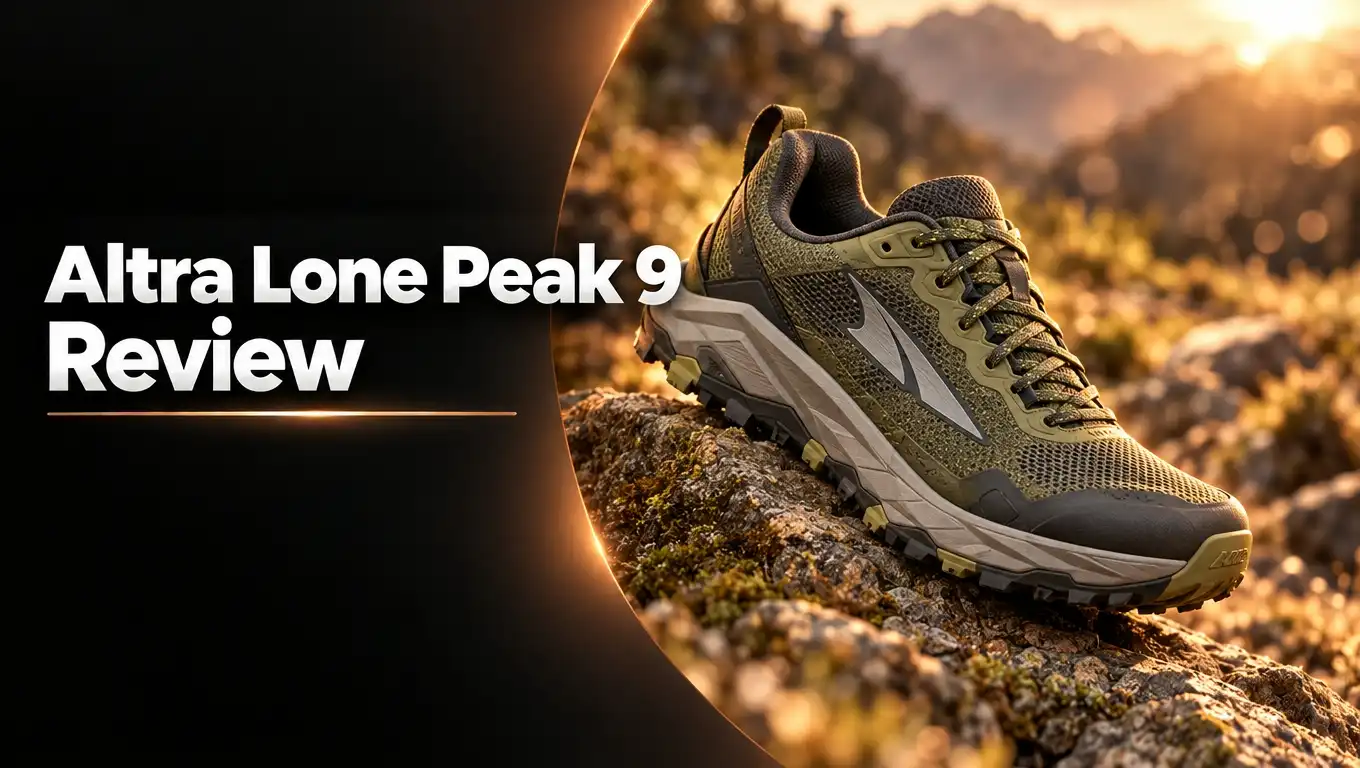
The Lone Peak has been Altra’s most famous trail shoe for years. The ninth version keeps the classic shape and adds a few useful updates.
It uses a FootShape toe box, a 0 mm drop, and a 25 mm stack height. Altra calls the cushion level “mid.” That means you feel the ground but still get some padding.
The upper uses recycled ripstop mesh. No sew overlays add strength without extra weight. A StoneGuard insert sits under the forefoot to block sharp rocks.
The standard shoe costs about $140. Altra also sells a Plus version with a Vibram outsole. We cover that choice in a later section.
Most reviewers agree on one point. The Lone Peak 9 is a safe update, not a big change. If you loved the older Lone Peaks, you will feel at home here.
Hikers like it for long days on the trail. Runners like it for easy to moderate trails. It works best on dry dirt, gravel, and mixed paths.
The shoe is not a road shoe. It is also not a rock crushing mountain racer. Think of it as a comfortable all rounder with a wide, honest fit.
What Is New in the Altra Lone Peak 9
Altra changed three main things this year. The outsole, the upper, and the midsole all got small updates.
The outsole is the biggest change. It has a wider heel flange and more rubber that wraps toward the forefoot. You get more bite when you push off and climb.
The upper uses 100% recycled ripstop mesh. Altra says it is built for high mileage. Early testers could not see a big difference from the Lone Peak 8, so time will tell.
The midsole still uses Altra EGO foam. Altra says it is updated, and some testers feel a little more cushion. Lab data shows a slightly firmer foam than the trail shoe average.
Altra also joined the two lower lace eyelets on the 9. Some runners say this keeps the upper steadier. Others say the lacing needs careful adjustment to avoid pressure spots.
The shoe also gained some weight. Lab tests found about 10.9 oz for the men’s version, up from 10.15 oz for the Lone Peak 8. That is a small jump, but you may notice it on fast days.
The core stays the same. You still get a zero drop platform, a GaiterTrap hook, and a finger loop heel tab. The shoe still looks and feels like a Lone Peak.
Fit and Comfort of the Altra Lone Peak 9
Fit is the main reason people buy this shoe. The toe box is huge, and the lab measured about 85 mm at the big toe. That is far wider than the trail shoe average.
The shoe fits true to size for most people. It runs a little long, so some hikers with narrow feet feel extra length. If you have wide feet, try the 2E version.
Your toes can splay with every step. That helps balance on uneven ground. It also cuts down on blisters from toe rubbing.
Toe height is average. High volume feet may feel a little snug on top. You can remove the 4.4 mm insole to gain a bit more room.
The tongue is fully attached on both sides. It keeps small rocks and sticks out of the shoe. The heel collar is low and soft, which feels flexible and easy.
The soft heel has a downside. One expert tester felt cuff irritation during the first 30 miles. It settled down after that, but break in matters.
People with narrow feet may feel sloppy in the forefoot. Side hill sections can feel loose. A runner’s knot with the extra eyelet helps lock the heel.
Zero drop also needs patience. Your calves and Achilles work harder at first. Start with short walks, then add distance each week.
Cushioning and Ride Feel
The Lone Peak 9 feels low and close to the ground. The 25 mm stack gives moderate padding. You still feel every trail detail.
Lab tests back this up. The shoe showed low shock absorption compared to other trail shoes. That fits Altra’s goal of a natural feel, so it is not a flaw.
Energy return came out around 58%. That is a little above average. The foam is not bouncy, but it is steady and protective over long days.
The platform is flat with no rocker. You get a natural stride, not a rolling push. Midfoot and forefoot strikers will feel at home.
Heel strikers may struggle. The zero drop shape sends more load to the calf. A shoe with a small drop may suit them better.
Flexibility is still good, but it is dropping with each update. Lab tests found the 9 slightly stiffer than older versions. Some hikers like that, and some miss the old floppy feel.
The StoneGuard insert helps on rocky ground. You feel less poke from sharp stones. The shoe is still not a max cushion choice.
Cold weather firms up the foam by about 25%. That is normal for EVA foam. Expect a harder ride on frosty mornings.
Runners who want a plush ride should look elsewhere. Hikers and natural stride fans will enjoy this feel. It is simple, steady, and honest.
Top 3 Alternative for Altra Lone Peak 9
The Lone Peak 9 does not fit everyone. Some people want a cushion, a smaller drop, or a snug heel. These three shoes cover those needs.
The Altra Timp 5 stays in the Altra family. It has a Vibram Megagrip outsole and a zero drop shape. It offers a more cushioned and narrower feel than the Lone Peak.

- Breathable mesh lining
Last update on 2026-11-01 / Affiliate links / Images from Amazon Product Advertising API
The HOKA Speedgoat 6 gives you a plush ride. It has a thick midsole and a 5 mm drop. It fits runners who want more padding and a strong grip.
No products found.
The Brooks Cascadia 18 is a classic trail shoe with a 3 mm drop. It offers stability and protection for long miles. It helps heel strikers and anyone who dislikes zero drop.

- THIS MEN’S SHOE IS FOR: The Cascadia 18 provides runners and mountain hikers with adaptable stability with trial...
- COMFORT & SECURITY: DNA LOFT v2 provides soft cushioning over any terrain while the TrailTack Green outsole rubber...
- ADAPTABLE STABILITY: The Trail Adapt System utilizes an integrated midsole, with articulated ballistic rock shield...
Last update on 2026-11-01 / Affiliate links / Images from Amazon Product Advertising API
Traction and Grip
The Lone Peak 9 grips well on most dry trails. The multi direction lugs bite into dirt and gravel. The arrow shape helps on climbs and controlled descents.
The standard MaxTrac outsole is soft and forgiving. It works well on roots and mixed ground. The Plus version uses Vibram Megagrip with lugs near 3.8 mm in lab tests.
The 9 improves on the 8. Hikers say it handles wet roots and rocky climbs with more confidence. The extra forefoot rubber helps you push off steep ground.
Wet rock is the weak point. One expert tester slipped several times on slick stone. Loose scree and deep mud also feel tricky because the lugs are not deep.
Lug depth is average, so this shoe suits easy and moderate trails. Technical mountain racing needs a deeper lug. Look at the Speedgoat 6 for that job.
The outsole wears slowly. Lab tests found only 0.8 mm of wear in an abrasion test. That beat the trail shoe average of 0.9 mm.
Hikers still report lug rounding near 200 miles on the standard outsole. That is normal for soft rubber. Rotate pairs if you hike every day.
The Plus version helps most in wet places. If you hike rainy trails, the extra $15 makes sense. For dry desert trails, the standard outsole works fine.
Durability and Weight
Durability is the shoe’s most common complaint. Most thru hikers get 500 to 700 miles from a pair of trail runners. Expect the Lone Peak 9 to land in that range or a little lower.
The upper uses ripstop mesh with TPU overlays and a toe rand. These parts help against rocks and brush. Mesh creases and small tears still appear after a few hundred miles.
Lab tests gave the toe box and heel padding a middle score of 3 out of 5. That matches field reports. The shoe is decent, not tough.
Weight is fair for a hiking shoe. The pair weighs about 1 lb 6.4 oz by one count. The men’s shoe tested near 10.9 oz in a lab, and the women’s shoe is about 9.3 oz.
That is light next to hiking boots. It is heavier than many modern trail runners. Some runners will feel the weight on fast days.
The mesh dries fast after creek crossings. Testers report dry feet within about an hour or two. The fabric is also tightly woven, so a lab smoke test showed low airflow.
Real world hikers still call it breathable and quick drying. Both views have some truth. Hot weather runners should test it before a long trip.
The shoe has no reflective parts. Night runners should add a light or reflective gear. This is a small miss at this price.
Altra Lone Peak 9 for Women
No products found.
The women’s Lone Peak 9 shares the same design as the men’s version. It uses the same zero drop platform and the same wide toe box. The fit is built on a women’s last, so it holds the heel better.
The women’s shoe weighs about 9.3 oz. That makes it light for a hiking shoe. The 25 mm stack is the same as the men’s version.
Many women with wide feet love this shoe. The toe box gives plenty of splay room. The midfoot also has extra space.
Women with narrow heels should check the lacing. A runner’s knot helps lock the heel in place. Thicker socks can also fill extra volume.
Colors are more modest this year. Reviewers noted tan, black, gray, dusty olive, navy, purple, and teal options. The look is clean and not too loud.
The women’s version has the same grip upgrade as the men’s version. The wider forefoot rubber helps on climbs. It also helps on rocky descents.
Break in the shoe slowly if you are new to zero drop. Walk in them for a few days first. Then add short runs or hikes.
Altra also offers a waterproof GTX version. It suits cold or wet climates. The standard shoe stays the better pick for warm weather and quick drying.
Lone Peak 9 vs Lone Peak 9 Plus
Altra released two versions this year. They look similar, but they differ in the outsole and the price.
The standard Lone Peak 9 uses the MaxTrac outsole. It costs about $140. It feels a bit more flexible and has more ground feel.
The Lone Peak 9+ uses a Vibram Megagrip outsole. It costs about $15 more. It grips better on wet ground and feels slightly stiffer.
The rest of the shoe matches. Both versions use the same upper and the same EGO midsole. Both have a 25 mm stack and a zero drop shape.
Choose the standard shoe if you hike in dry places. Desert and forest dirt trails suit it well. You save money and keep more flex.
Choose the Plus if you face wet rock and mud. The Vibram rubber inspires more trust on slick ground. It also lasts longer in lab wear tests.
Availability changes by region. In Europe, the Plus version is the main option. In the United States, the standard version is easier to find.
Some reviewers feel the Plus is stiff for running. They say it works better as a hiking shoe. If you run fast, the standard version may feel more lively.
Pick based on your trails, not hype. Both shoes share the same comfort. The outsole is the only real choice you need to make.
Pros and Cons of the Altra Lone Peak 9
Here is a quick summary of what hikers and testers found. Use it to weigh the shoe against your needs.
Pros:
- The toe box is very wide, so your toes can spread out naturally and stay comfortable on long days.
- The zero drop platform gives a natural stance and strong ground feel on the trail.
- The updated outsole has better grip on roots, rocks, and steep climbs than the Lone Peak 8.
- The mesh upper dries fast after water crossings and feels light compared with hiking boots.
- The GaiterTrap hook and fully attached tongue keep debris out of the shoe.
- Regular and wide sizes are available, which helps people with different foot shapes.
- The price is fair at about $140, and many comparable shoes cost more.
Cons:
- The mesh and lugs wear faster than those of many hiking shoes, often within a few hundred miles.
- The heel cuff can rub during the first 30 miles, which may need some break in time.
- Zero drop can strain calves and Achilles tendons if you ramp up too quickly.
- Wet rock grip with the standard outsole can feel unsure.
- The shoe is slightly heavier and stiffer than the Lone Peak 8.
- The forefoot can feel loose for people with narrow feet.
- The shoe has no reflective details and gives only light protection from cold or wet weather.
Who Should Buy the Altra Lone Peak 9
Buy this shoe if you already like zero drop shoes. You will enjoy the natural stance and the wide fit. It rewards people who know their feet.
Thru hikers are the core audience. The shoe is comfortable for long days and dries fast. Plan to carry a second pair for very long trips.
People with wide feet should try it first. Few trail shoes offer this much toe room. The 2E option adds even more space.
Runners on easy and moderate trails can use it too. It works well for steady runs and long hikes. It suits people who want a simple, grounded ride.
Skip it if you heel strike. The zero drop shape may bother your calves. A Brooks Cascadia 18 or a Topo shoe with a small drop fits better.
Skip it if you want a soft, bouncy ride. The Lone Peak 9 feels firm and low. A HOKA Speedgoat 6 gives far more cushion.
Skip it if you hike in snow or constant wet. The mesh lets water in fast. Choose the GTX version or another waterproof shoe.
New zero drop users should ease in. Wear the shoe for short walks first. Build up your distance over several weeks.
Final Verdict on the Altra Lone Peak 9
The Lone Peak 9 is a solid update to a trusted shoe. It keeps the wide fit and zero drop feel that fans love. It adds better grip and a more durable upper design.
It is not perfect. The shoe is a bit heavier and stiffer than before. Durability is still average, and the heel cuff may take time to settle.
The price keeps it attractive. At about $140, you get a comfortable and proven trail shoe. The Plus version adds Vibram grip for a modest extra cost.
My advice is simple. Buy the standard version for dry trails and easy running. Buy the Plus version if you face wet rock and mud.
If you love the Lone Peak 8, the 9 is a fair upgrade. The traction gain alone makes it worth a look. If you are new to Altra, start slow and enjoy the room.
Overall rating: 4 out of 5. It is a friendly, honest trail shoe for people who value comfort and natural movement. Your toes will thank you after the first long hike.
FAQs
Is the Altra Lone Peak 9 true to size?
Yes, it fits true to size for most people. It runs a little long, so some narrow foot users feel extra length. If your feet are wide, try the 2E version in your usual size.
Is the Altra Lone Peak 9 waterproof?
No, the standard version is not waterproof. The mesh dries fast after water crossings. Altra sells a separate GTX version for wet and cold weather.
What is the difference between the Lone Peak 9 and the 9+?
The 9+ has a Vibram Megagrip outsole and costs about $15 more. It grips better on wet ground and feels a little stiffer. The standard version uses MaxTrac rubber and feels more flexible.
How long does the Altra Lone Peak 9 last?
Most hikers get about 300 to 700 miles. Lugs may round near 200 miles, and the mesh can crease. Your weight, terrain, and stride all change the result.
Is the Altra Lone Peak 9 good for hiking?
Yes, it is a favorite among thru hikers. It is light, roomy, and quick to dry. The wide toe box helps your feet stay comfortable on long days.
Is the Altra Lone Peak 9 good for running?
Yes, it suits easy and moderate trail runs. The ride is flat, low, and natural. Fast runners may find it a bit heavy and stiff.
Does the Lone Peak 9 have a break in period?
The upper needs very little break in time. Your body needs more time for the zero drop shape. Start with short walks and add distance slowly.
How does the Lone Peak 9 compare with the Lone Peak 8?
The 9 has better grip, a slightly wider forefoot midsole, and an updated upper. It is also a little heavier and stiffer. The fit, stack height, and zero drop shape stay the same.

Dan is a passionate fashion enthusiast and experienced product reviewer who combines years of industry knowledge with a keen eye for quality and style. Through Fashion Reviewer Blog, he provides honest, detailed reviews and practical guides to help readers make informed fashion decisions and discover their personal style.