
3 Best Compression Leggings for Varicose Veins
Choosing the right compression leggings for varicose veins involves understanding how they support circulation and reduce swelling while maintaining comfort for daily wear. Factors like compression level, fabric quality, and fit are essential to guarantee effective support without discomfort. Properly selected leggings can improve symptoms and longevity of treatment, but knowing what features to prioritize can be complex. Exploring options that combine reliable support with ease of use can help you find the right pair for your needs.
Extra Wide Compression Leggings for Women 20-30mmHg
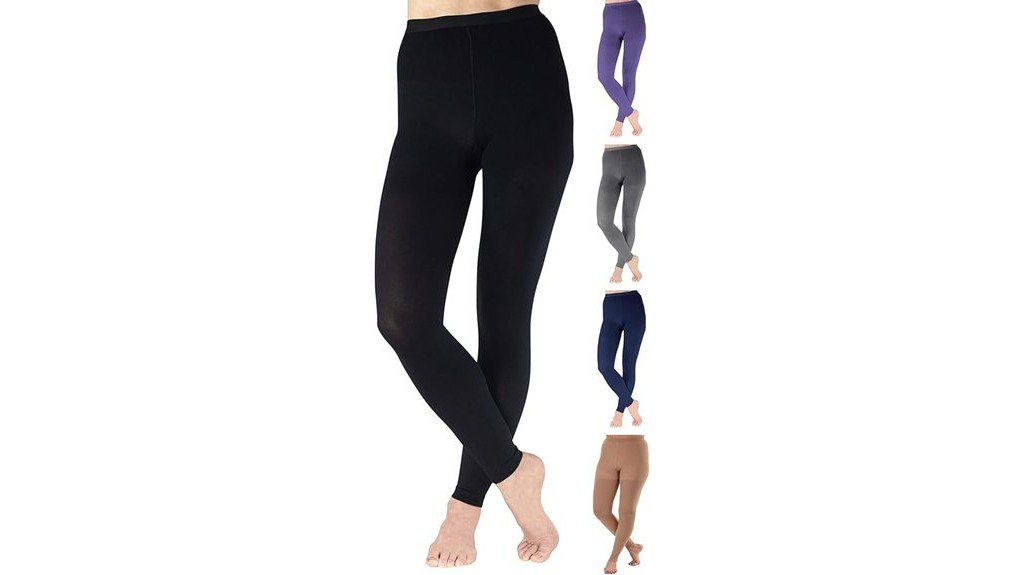
If you want compression leggings that help with varicose veins and blood flow, look for options that are extra wide and offer 20-30 mmHg compression. These leggings put gentle pressure on your legs to improve circulation and reduce swelling. They are made from strong nylon and spandex, so they last a long time and stay stretchy.
These leggings come in many sizes, up to 5XL, and different colors. They have a footless, opaque style, which makes them good for daily wear. They are great if you are managing blood clots, lymphedema, or vein problems.
Best for: People who want reliable, long-lasting compression leggings to help blood flow, reduce swelling, and feel comfortable all day.
Pros:
- Offers 20-30 mmHg compression that helps blood move better.
- Made from tough nylon and spandex for flexibility and durability.
- Comes in many sizes (up to 5XL) and colors for a good fit.
Cons:
- The footless, opaque style might not suit everyone.
- Some people might find the compression tight and need to measure carefully for the best fit.
- Because these are compression leggings, they can cost more than regular leggings.
Compression Pantyhose for Women & Men, 2 Pairs 15-20mmHg Medical Graduated Compression Stockings Leggings

Compression pantyhose for women and men with 15-20mmHg pressure are great for anyone who wants better support for their legs. These stockings help with varicose veins, swelling, or blood flow problems. They gently squeeze the legs from ankle to thigh, promoting healthy circulation and reducing discomfort. If you stand or sit a lot, these can help you feel better after a long day.
Getting the right size is important. Check the size chart closely because some people find they need a smaller size for a good fit. The right fit makes the stockings more comfortable and effective. Fabric choice also matters. Some find them breathable and soft, making them easy to wear all day. Others might find the material rough or heavy, especially if they have sensitive skin.
Putting the stockings on properly is key. When worn right, they stay in place and work well. If they slide down or bunch up, they won’t help as much.
These compression pantyhose are good for people who want moderate support. They are helpful after exercise, during travel, or everyday for improving blood flow. They are easy to wear and mostly stay comfortable during the day.
However, not all products are perfect. Some sizing may be small, so measure carefully. The material can feel rough for some. Also, durability can vary. Some users report the stockings tear or lose compression after a little use.
Compression Pantyhose for Women, 15-20 mmHg Medical Compression Leggings

For women who want better support for their legs, compression pantyhose with 15-20 mmHg pressure are a good choice. These leggings are made to help improve blood flow, reduce swelling, and ease discomfort from varicose veins, swelling, and tired legs. They can be worn all day, especially when you sit or stand a lot. The sturdy, thick material resists snagging and keeps its shape, even after many uses. The leggings may feel tight around the ankles and thighs, but the waistband stays comfortable. Getting the right size is important to get the most benefit. These leggings can also help make your skin look smoother and hide bumps.
Best For: women who need strong compression to help with varicose veins, swelling, and tired legs, while staying comfortable and stylish during long days.
Pros:
- Give firm compression (15-20 mmHg) to improve blood flow and cut down swelling
- Thick, durable material resists tears, pills, and losing shape over time
- Can help tighten skin after weight loss and give a smoother look
Cons:
- Fit may be very tight, so you might need a bigger size for comfort
- Can be hard to put on, especially around calves and knees
- Might feel warm or uncomfortable in hot weather
These compression pantyhose help make your legs feel better and look good. Just pick the right size and enjoy the comfort and support they give.
Factors to Consider When Choosing Compression Leggings for Varicose Veins
When choosing compression leggings for varicose veins, it’s important to consider the appropriate compression level to effectively support circulation without causing discomfort. Ensuring a proper fit and size is vital for maximum effectiveness and to prevent slipping or constriction, which can worsen symptoms. Additionally, selecting breathable materials, durable construction, and designs that suit your coverage needs will help maintain comfort and longevity, making your choice more practical and reliable.
Compression Level Suitability
Choosing the right compression level for leggings depends on a few key things. Compression levels are measured in mmHg. They range from mild (8-15 mmHg) to medical-grade (20-30 mmHg or higher).
If you have varicose veins, a compression of 20-30 mmHg is usually best. It helps improve blood flow and reduce symptoms. For mild problems or early signs, a lower level like 15-20 mmHg might be enough. But if your condition is worse, stronger compression might be needed.
Some people need very tight compression, above 30 mmHg. Doctors usually give this kind of compression for serious vein issues or after surgery. It’s important to talk with a healthcare provider. They can help you choose the right level for your needs, based on how bad your veins are and what you plan to do with the leggings.
Proper Fit and Size
Getting the right fit and size for compression leggings is very important. When you pick the right size, the leggings can help feel better and work better for varicose veins. If the leggings are too small, they can be uncomfortable or even hurt your legs. If they are too loose, they won’t give enough pressure to help.
To find the right size, measure parts of your body. Check your waist, thighs, calves, and ankles. Keep in mind that different brands might have slightly different sizes. Some leggings run small, so you might need to go up a size.
Choose a size that fits snugly. It should feel tight but not uncomfortable. If it feels like it is squeezing too much, it may be too tight and block circulation. If it feels loose, it might slip down or won’t give enough compression.
Also, look at the compression level, which is measured in mmHg. Make sure it matches what your doctor recommends. Proper fit helps the pressure stay even all over your legs, making the leggings more effective.
If your leggings have a high waist or an open foot, make sure those parts fit well too. When all areas fit nicely, they will be more comfortable and do a better job helping your veins.
Breathable Material Choices
Choosing breathable materials for compression leggings matters a lot. These fabrics make wearing the leggings more comfortable and healthier for your skin. Materials like nylon, spandex, and their blends let air flow through. They also wick away sweat, keeping you dry. Good breathability helps stop you from overheating, especially in hot or humid weather.
Leggings with lots of spandex or elastane stretch easily. They fit snugly without stopping your movement. Lightweight fabrics or mesh panels help air circulate better. This keeps heat from building up inside. Breathing fabrics also prevent skin irritation, rashes, and bad smells caused by sweat trapping.
In short, pick leggings made from moisture-wicking, ventilated fabrics. These keep your skin healthy and make wearing leggings comfortable for a long time.
Design and Coverage Options
Leggings come in different styles that cover your legs in different ways. Some go from your waist all the way down to your ankles. These are good if you want to wear any shoes you like or find it easier to get dressed. You can change how much of your leg is covered, based on what you prefer or the weather.
Full-footed leggings cover your feet and provide extra support. They are helpful if you have serious varicose veins or other leg issues. Open-toe leggings are also available. These make it easier to put on or take off the leggings if your toes or feet get swollen.
Choosing the right style depends on what you need. Think about how much breathability and comfort you want. Also, consider what activities you plan to do and any medical advice you’ve received. Picking the right coverage can help you stay comfortable and supported all day long.
Durability and Material Quality
When picking compression leggings for varicose veins, look for ones made with good quality materials. The best leggings are usually made from nylon and spandex. These fabrics keep their stretch and support even after many uses. The fabric should not pill, snag, or curl at the edges. This keeps the compression even and makes the leggings last longer. Thicker fabrics are stronger and less likely to rip when you put them on or take them off often. Good leggings often have fewer seams, which helps stop tears and wears. Also, high-quality leggings keep their compression power after many washes. This means they will still give you the support you need over time.
Ease of Wear and Removal
Ease of putting on and taking off compression leggings is important. It affects how easy they are to use and how likely you are to wear them regularly. Good quality, stretchy fabrics make it easier to put on and remove the leggings. Features like open toes or reinforced openings can also help, especially if you have limited movement or sensitive skin. A wide, elastic waistband makes the leggings more comfortable and keeps them in place. It also makes it easier to put them on or take them off. The right fit is crucial. If the leggings are too tight or don’t stretch enough, they can be hard to put on. Simple designs, like smooth seams and no extra hardware, make wearing and removing the leggings easier.
Skin Sensitivity Considerations
Since everyone’s skin is different, picking the right compression leggings is important. Look for leggings made from soft, gentle, and breathable fabrics. Materials like nylon and spandex are good choices because they are smooth on your skin and let air flow. This helps keep moisture away, which can stop irritation and chafing.
Check the seams of the leggings too. Flatlock or seamless seams are best because they cause less rubbing and pressure on your skin. Before wearing new leggings regularly, try a small patch test. Put a little fabric on your skin and wait to see if it causes any redness or irritation.
You might also want to choose leggings with lower compression levels if your skin is sensitive. Lower compression is softer and more comfortable. Fabrics that wick away moisture and dry quickly can also help stop sweat from causing soreness or irritation.
Frequently Asked Questions
Are Compression Leggings Suitable for All-Day Wear?
Yes, compression leggings are suitable for all-day wear if they fit properly and are recommended by your healthcare provider. Wear them comfortably, take breaks when needed, and guarantee you follow any specific guidance for your condition.
How Do I Determine the Right Compression Level for Me?
To find the right compression level, you should consult a healthcare professional who can measure your leg圧 and recommend a suitable level, typically ranging from mild to extra firm, depending on your varicose vein severity and comfort needs.
Can Compression Leggings Help Prevent Varicose Veins?
Yes, compression leggings can help prevent varicose veins by improving blood flow, reducing pressure on your veins, and supporting your leg muscles. Consistently wearing them during physical activities or long periods of standing can be beneficial.
What Are the Best Materials for Compression Leggings?
You should look for compression leggings made from high-quality nylon and spandex blends. These materials provide durability, stretch, and breathability, ensuring you get effective support and comfort without sacrificing flexibility or moisture-wicking capabilities during wear.
How Do I Properly Care for Compression Leggings?
You should hand wash your compression leggings in cold water with mild detergent, avoid bleach, and hang them to dry. Do not wring or iron them, as proper care maintains their elasticity and support over time.

Dan is a passionate fashion enthusiast and experienced product reviewer who combines years of industry knowledge with a keen eye for quality and style. Through Fashion Reviewer Blog, he provides honest, detailed reviews and practical guides to help readers make informed fashion decisions and discover their personal style.